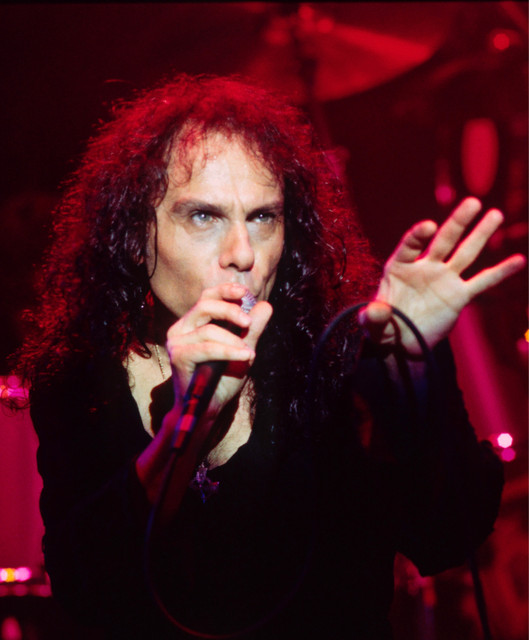
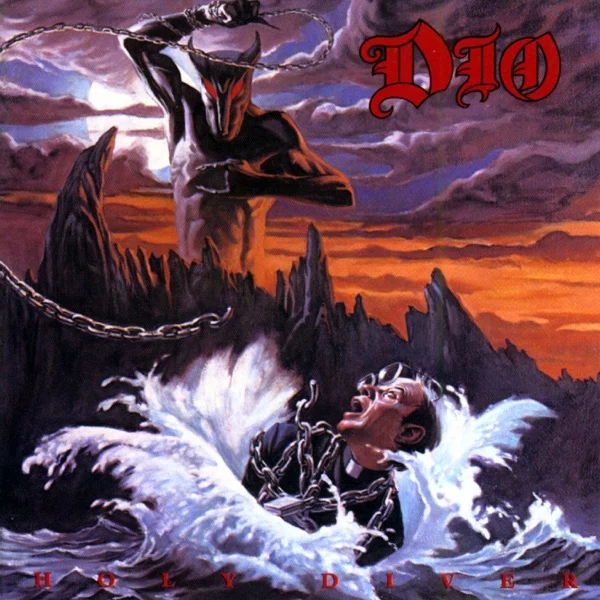
Following Ronnie James Dio’s passing, this compilation arrives as a belated echo, a second volume that extends an enterprise already questionable from the start. There’s nothing wrong with the raw material: the singer’s voice, that powerful and theatrical timbre capable of shifting from menacing whisper to clarion cry without ever losing pitch, remains one of metal’s most recognizable instruments. But bringing together new tracks drawn from a discography spanning Holy Diver to Master of the Moon, without clear editorial direction, raises questions about the very necessity of this release.
A best of without backbone
The main problem with this volume lies in its lack of internal logic. It features tracks from vastly different periods of the band, from the fantastic and flamboyant early era to the more modern and angular sounds of a transitional period, alongside the back-to-basics return that followed. This jarring stylistic gap, which makes sense in chronological listening of the original albums, becomes here a rather brutal juxtaposition: galloping rhythms and flashy keyboards give way to drier guitars and more straightforward structures without transition or apparent thread. The record feels less like a thoughtful selection than an inventory laid end to end, as if the track order received no particular consideration whatsoever.
The shadows of Tracy G and company
The presence of tracks from the period when Tracy G handled guitar duties, more modern and angular in approach, has always divided longtime fans attached to the more classical flights of Vivian Campbell or Craig Goldy. On this volume, these tracks sit alongside older extracts without the whole gaining in coherence; on the contrary, the contrast underscores how much the band transformed throughout its career, which is fascinating across a complete discography but frustrating in a compilation format that claims to summarize the essence of such a turbulent trajectory.
A voice that holds it together
What nonetheless holds the whole thing up is obviously the singing. Even on the most dated or compositionally uninspired tracks, Ronnie James Dio commands a vocal stage presence that transcends the material. The dramatic buildups, the quasi-operatic phrasing, that unique way of placing dark melodies over heavy riffs, all of this remains a pleasure to hear track by track. But a best of isn’t judged solely by the quality of its components: it’s judged by the relevance of its assembly, and here the assembly struggles to convince, lacking any real work in sequencing or perspective.
Ultimately, this second volume appeals almost exclusively to collectors or listeners who’ve never heard a single album by the band and seek a broad, disjointed overview of their career. For anyone who already owns Holy Diver, Dream Evil or Killing the Dragon, the interest is nearly zero: you find tracks you know by heart, torn from their original context, stripped of the album dynamics that made them powerful. Another posthumous compilation, riding the legitimate emotion sparked by the singer’s passing without truly honoring it through demanding curatorial work.