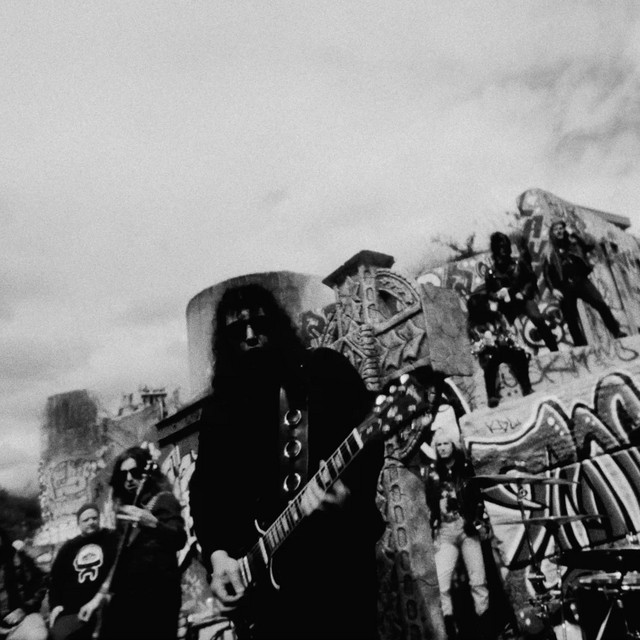
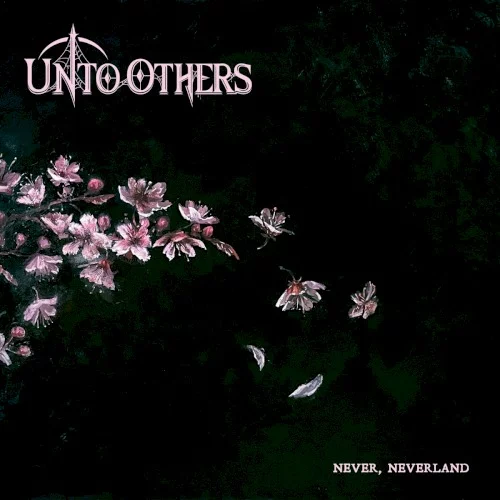
Before becoming Unto Others, this Portland band went by another name, and Mana was released under that original identity, as a collective still finding the exact contours of its black romanticism. You can feel in this record a band coming from traditional heavy metal but eyeing post-punk and gothic rock with a sincerity that avoids pastiche. The result, far from being a simple collection of eighties reminiscences, stands on its own through the strength of its melodies and a voice that sings like it declaims, with a vibrato laden with theatrical spleen but never ridiculous.
Give Me the Grave, the entry point
The opening track sets the tone immediately: sharp guitar riffs, bass galloping underneath, and this voice alternating between punk urgency and gothic grandiloquence. It’s a smart opening choice, one that sums up in a few minutes everything the record will develop next. You hear in it the desire to fuse the energy of classic heavy metal with a darker romanticism, more inhabited, that owes as much to Sisters of Mercy as to Iron Maiden in their bright-voiced period and melodies inverted into minor keys.
Black romanticism without excessive makeup
What strikes you about Mana is the absence of cheating. No over-polished production that smooths out the rough edges, no layers of vocal effects to simulate melancholy. The guitars have an analog grain, dry, almost nervous, and the rhythm section keeps a punk stiffness that prevents the record from sinking into surface-level gothic kitsch. The choruses are written to be sung, with a melodic obviousness that reminds you this band also comes from a world where hardcore and heavy metal share the same stages and audiences. This hybridization produces tracks that move forward without bogging down, that know where they’re going without ever becoming predictable.
The grain of the guitars, the backbone
Throughout the listening experience, it’s the guitar sound that really structures the album’s identity: simple but effective melodic lines, often doubled in harmony, that evoke melodic heavy metal without ever falling into the ease of gratuitous soloing. The rhythm section, meanwhile, stays solid and understated, serving the song rather than seeking to impress. You might fault the record for a certain structural linearity in its second half, where tracks follow a fairly similar pattern to each other: verse, catchy chorus, melancholic bridge. But this formula repetition never prevents the listening experience from being pleasant, carried along by a sincerity that runs through every track.
Mana isn’t a record that revolutionizes anything, but it has the rare merit of offering a gothic metal that doesn’t mistake itself for theater frozen in funereal antiquity. There’s a vitality in this record, an almost punk urgency, that sets it apart from many productions in the genre. It’s an album of transition in the band’s trajectory, but it’s also already a coherent and personal proposal, one that clearly announces what came next would refine. Recommended listening for anyone seeking a bit of melodic darkness without the mothballs.