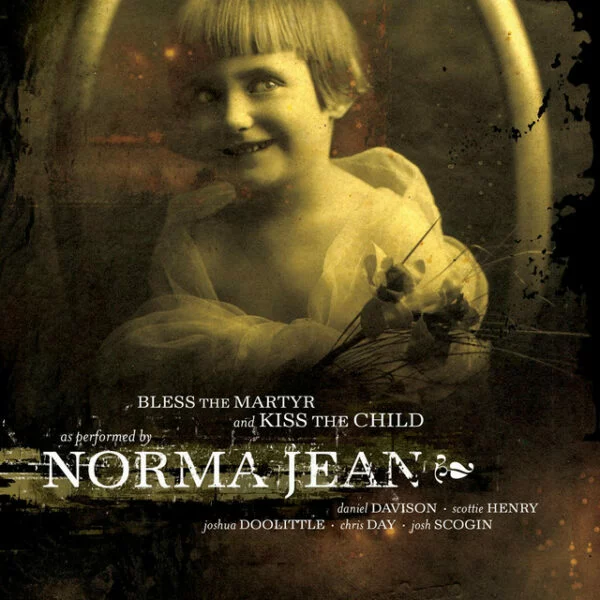
Norma Jean’s second album, O God, the Aftermath, arrived in 2005 and confirmed the Georgia band as one of the most unpredictable names in chaotic metalcore. After an already noticed debut, the lineup fully embraces a dissonant, fragmented writing where landmarks shatter and the tension almost never subsides.
Chaos as a language
The record stands out for its blend of angular mathcore and raw metalcore. The rhythms come apart, the riffs shoot off in every direction and the vocals, raw to the point of pain, impose a visceral urgency. This demanding approach requires attention, but rewards the listener with a rare intensity and a sense of permanent danger that never dulls.
A hidden sophistication
Beneath the apparent chaos hides a real sophistication. The atmospheric passages and calculated silences carve out breathing spaces that make the blasts even more violent. The band plays with contrast, alternating the densest din with almost suspended moments, in a carefully considered dramaturgy.
An album you must earn
That radicalism has a downside: the record can feel grueling, even impenetrable, to uninitiated ears. The absence of classic choruses and the shattered structure disorient, and some passages resemble one another to the point of blurring the landmarks. It is an album you have to earn, to be heard in full rather than in isolated fragments.
O God, the Aftermath remains a landmark work of experimental 2000s metalcore. Bold, dense and uncompromising, it illustrates Norma Jean’s will to push the limits of the genre. A demanding record, but a fascinating one for anyone willing to dive into its controlled chaos.