Morbid Angel
Biography
Formed in Tampa, Florida in the early 1980s (1983 according to English sources, 1984 according to French sources), Morbid Angel first emerged under the name Ice and then briefly Heretic, centered around guitarist Trey Azagthoth and drummer-vocalist Mike Browning. The lineup stabilized in 1986 with the arrival of David Vincent on vocals and bass, replacing Michael Manson and Sterling von Scarborough, followed by drummer Pete Sandoval, who was also a member of grindcore band Terrorizer. The band recorded its first album as early as 1986, Abominations of Desolation, which its own members found unsatisfactory and which was eventually released only in 1991 in an edition of 10,000 copies, regarded more as a demo than as a full-fledged album.
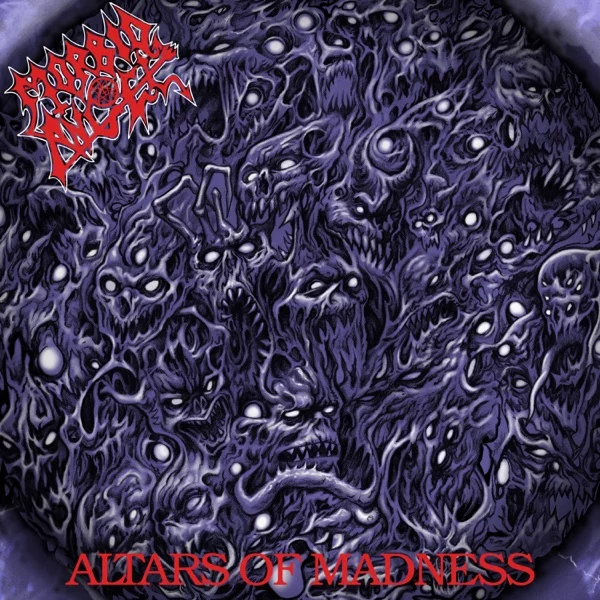
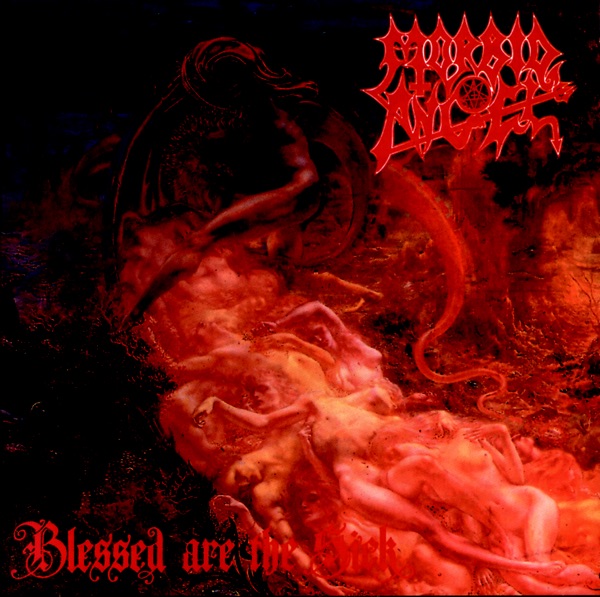
It was with Altars of Madness, released in 1989, that Morbid Angel made its mark: guttural vocals, rapid blast beats, multiple tempo changes, and dark atmosphere, elements that helped define nascent death metal and emancipate it from its thrash roots. The album was ranked number one on Terrorizer magazine's "Top 40 greatest death metal albums" list. There followed Blessed Are the Sick in 1991, which shifted thematically from Satanism and occultism toward Mesopotamian mythology, then Covenant in 1993, released on Giant Records after the band was discovered by Irving Azoff. Covenant became the best-selling death metal album in history according to Nielsen SoundScan, with over 150,000 copies sold in the United States, driven by the music videos for "Rapture" and "God of Emptiness," the latter airing on Beavis and Butt-Head and in heavy rotation on MTV.
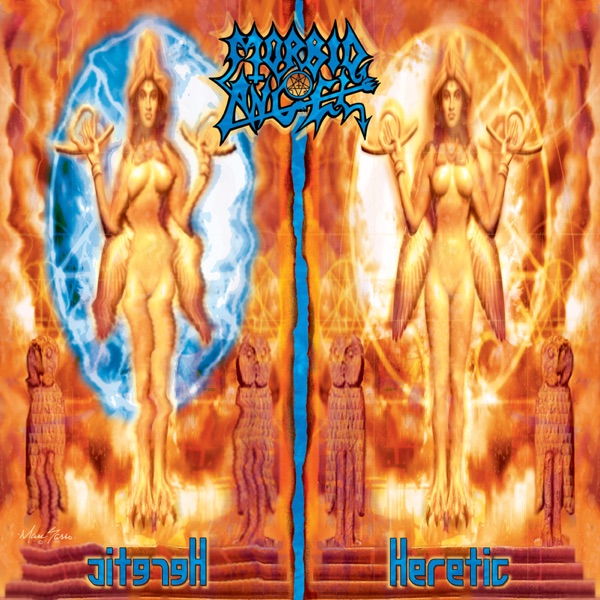
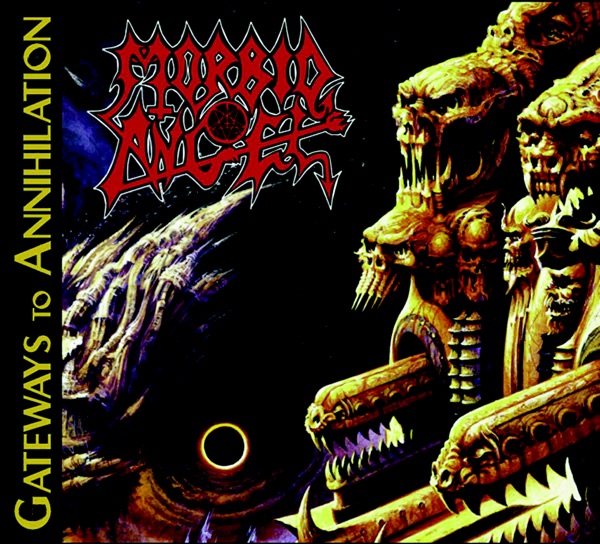
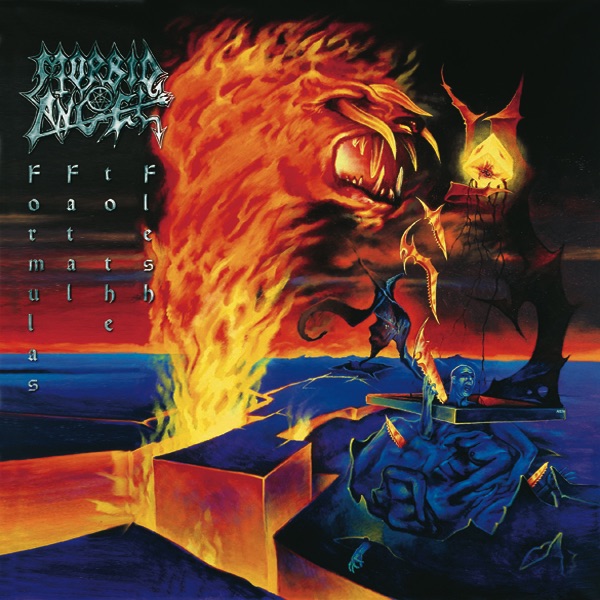
The band toured intensively during this prosperous period, sharing bills with Napalm Death, Carcass, Bolt Thrower, Pantera, Obituary, Deicide, Motorhead, and Black Sabbath. In 1992, second guitarist Richard Brunelle was sidelined due to substance problems, and Morbid Angel continued as a trio. David Vincent's departure in 1996, shortly after the release of Domination, marked a turning point: he was replaced by Steve Tucker until 2003, a period during which the lyrics turned toward anti-religious themes and narratives of the strong dominating the weak, influenced notably by Simon's Necronomicon and by Lovecraft. Formulas Fatal to the Flesh (1998) struggled to convince, but Gateways to Annihilation (2000) restored some of the band's popularity before Heretic (2003) received more mixed reactions from fans. The sole original member to remain consistently, Trey Azagthoth remains the primary songwriter and the backbone of the band, whose albums are all named in alphabetical order.
To discover Morbid Angel, it is best to start with the foundational trilogy: Altars of Madness, considered one of the most important albums in death metal history, Blessed Are the Sick, which established Sumerian mythology in the band's universe, and Covenant, the commercial and artistic peak that brought the genre into mainstream media.
Our reviews
Discography
 Complete Acid Terror
2017
 Juvenilia (Live)
2015
 Illud Divinum Insanus
2011
 Heretic
2003
 Gateways to Annihilation
2000
 Formulas Fatal to the Flesh
1998
 Entangled In Chaos (Live)
1996
 Domination
1995
 Covenant
1993
 Blessed Are the Sick
1991
 Abominations of Desolation
1991