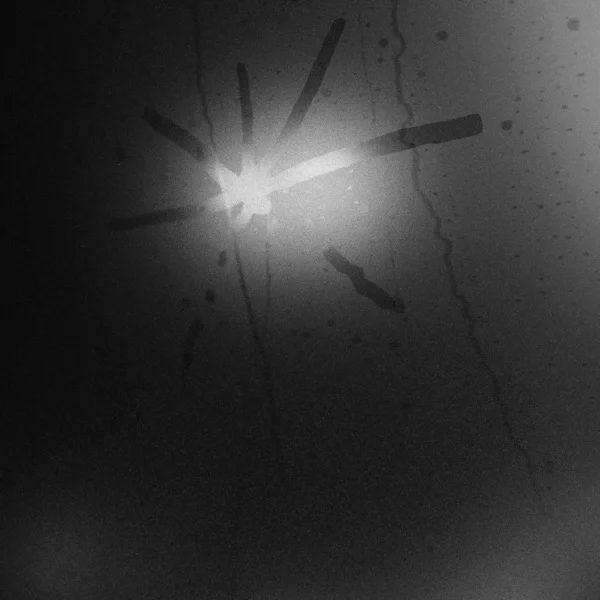
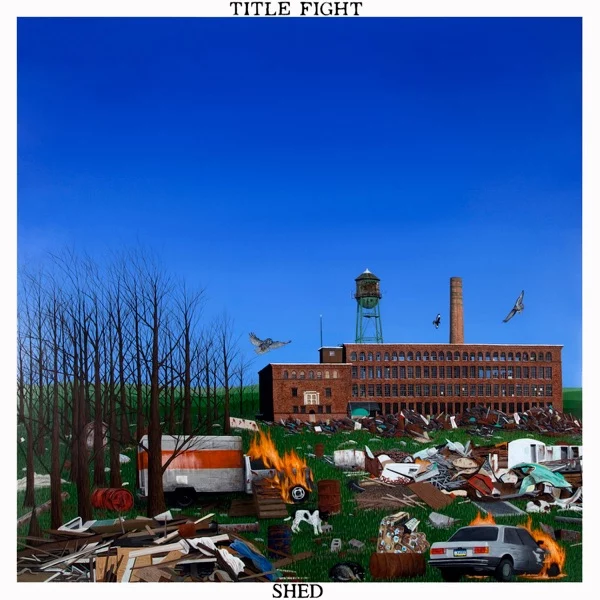
Released in 2015, Hyperview marks a clear turning point in Title Fight’s trajectory. The Pennsylvania band largely abandons the punk fire of its early days to embrace a distinctly more atmospheric aesthetic, tinged with shoegaze and dream pop. Issued on the ANTI- label, this record divided part of the audience, but it reflects a sincere desire to evolve rather than repeat itself. After the raw energy of Shed and the maturity of Floral Green, this third album asserts a wish to explore other sonic territories, even at the risk of surprising early fans.
A deliberate swerve
The change is audible from the opening bars: the guitars wrap themselves in reverb, the vocals turn softer, almost whispered, and the overall tempo calms down. Where Shed charged ahead, Hyperview floats and takes its time. The hazier production emphasizes textures and moods rather than a frontal punch. One thinks of the influence of English shoegaze bands from the 1990s, reinterpreted through the prism of a band rooted in punk and hardcore, which gives a singular and coherent blend.
Haze as material
This transformation is not without risk, and the record loses some of the immediacy that made the band so charming. A few songs, like Chlorine and Rose of Sharon, find a lovely balance between melancholy and melody, with choruses that reveal themselves slowly. Others slip by almost unnoticed, lacking a hook sharp enough to hold the attention for long. The recessed vocals, buried in the mix, add to the atmosphere but sometimes frustrate anyone seeking sharper points of entry.
The wager of patience
You therefore have to accept Hyperview as a whole, a dive into a coherent haze rather than a collection of hits. For anyone who accepts that proposition, the record reveals quiet charms over repeated listens, and gains in depth what it loses in immediacy. It is an album that has to be earned, and that rewards the patience of those willing to lose themselves in it.
A bold transitional album, Hyperview divides but deserves respect for its refusal of comfort. It shows a band ready to reinvent itself, even at the cost of disorienting listeners, and remains a fascinating chapter in the punk emo scene, often reappraised over time by those who first dismissed it.