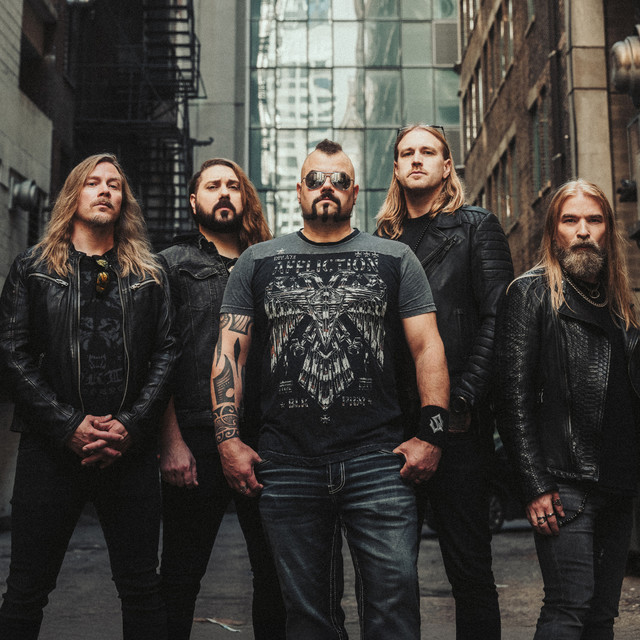
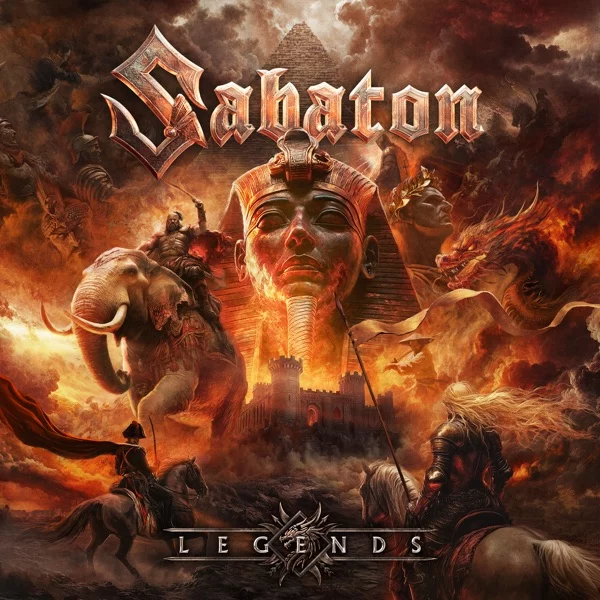
With Carolus Rex, released in 2012, the Swedish band Sabaton takes on a subject as ambitious as it is unusual for them: the history of their own country. Setting aside the survey of great conflicts that marked their earlier records, the group led by singer Joakim Broden and bassist Par Sundstrom devotes an entire album to the Swedish Empire, its peak and its fall. The result is the most coherent and ambitious record in their catalogue, carried by a genuine narrative thread.
A national epic
The album traces the so called Age of Greatness, from the rise of the kingdom under the Vasa dynasty to the reign of Charles XII, the famous Carolus Rex. Each track lights up an episode: The Lion from the North evokes Gustavus Adolphus, Poltava the decisive defeat against Russia, and The Carolean’s Prayer gives voice to the soldiers who followed the king to the very end.
Notably, Sabaton recorded Carolus Rex in two complete versions, one in English and one in Swedish. That choice deepens the heritage character of the project and gives the songs a different colour depending on the language, the Swedish version gaining gravity and authenticity for a domestic audience.
The Sabaton craft at its peak
Musically the band applies its recipe with heightened command: majestic keyboards, simple and effective riffs, choruses built to be sung back in unison. Broden’s deep, gravelly voice lends a martial weight to the melodies, while the arrangements carefully shape each rise in tension.
The arrangements gain orchestral scale without ever weighing the songs down. Tracks such as Carolus Rex, Gott mit uns and A Lifetime of War rank among the band’s most memorable, cut out for the collective anthem as much as for the historical tale, and have since become staples of their concerts.
A turning point in the band’s story
Carolus Rex also marks a rupture: shortly after its release a large part of the line up left the band, making this record the end of an era. It nonetheless remains a high point, often cited as Sabaton’s most fully realised work and as the summit of its first period.
One can fault the whole for a sometimes glorifying reading of history, and the style stays deliberately simple. But the narrative commitment, the power of the choruses and the clarity of the concept make it a success. For anyone wanting to discover historical, anthemic metal, Carolus Rex is an exemplary entry point, carried by a sincerity that never falters and by a real care for the historical material.