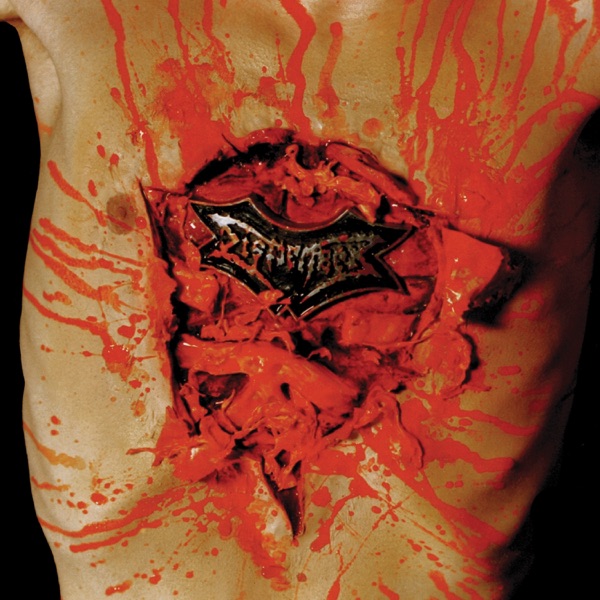
Released in 1991, Dismember’s debut arrived in the immediate wake of Entombed and confirmed that Stockholm was truly the epicenter of a new wave that would lastingly mark extreme metal. Also cut at Sunlight Studio, it shares that guitar texture now characteristic of the Swedish sound, yet Dismember add a melodic rage and a permanent urgency entirely their own.
An opening fury
Override of the Overture kicks the record off like a punch to the face: an instant blast, a slashing riff, Matti Karki’s merciless growl. The tone is set from the first bar, that of a band with no interest whatsoever in sparing the listener. The famous HM-2 grind is definitely there, but here it serves a nervier writing more focused on momentum and frontal attack.
Fred Estby’s drumming shapes songs that alternate frontal charges and heavy slowdowns, with a fearsome sense of placement. The guitar harmonies slip dark melodies into the very heart of the violence, foreshadowing an entire strand of melodic death metal that would later explode, notably out of Gothenburg.
Melody and brutality
What sets Dismember apart is that sense of melody grafted onto an ultra brutal base, without ever conceding anything to softness. Tracks like Soon to Be Dead and Dismembered keep an almost memorable hook without ever sacrificing aggression. The band understood early that a well placed guitar line can make a riff even more devastating.
The record also drew attention for reasons beyond the music, the lyrics of Skin Her Alive having caught the eye of British customs at the time, a legal episode that paradoxically fed the band’s notorious reputation. That anecdote testifies to the climate of suspicion then surrounding the emerging extreme metal.
A pillar of the Swedish sound
Like an Ever Flowing Stream stands as one of the founding documents of Swedish death metal, alongside Left Hand Path. Where Entombed lean toward crawling heaviness and atmosphere, Dismember favor speed and melodic hooks, offering an essential and complementary variant of the same sonic DNA.
The band would remain surprisingly faithful to this formula throughout their career, but it is here, on this first fiery attempt, that everything crystallizes with the most force and spontaneity. The organic production has not aged a day.
The album has aged remarkably well and remains an ideal gateway into the style for anyone wanting to discover it. Its blend of frontal brutality and dark melody makes it an essential classic, a record that defined the rules of the genre as much as it enriched them and that keeps inspiring bands the world over. Here is a record that defined its era while remaining perfectly listenable today, with nothing dated about it.