With Heartwork in 1993, Carcass completed a mutation begun on Necroticism. The Liverpool band, pioneers of goregrind with their early records and their repellent surgical imagery, deliver here a melodic death metal album of an unprecedented elegance and precision that would shape the genre lastingly, not least the future Gothenburg scene that would take it as a model.
Melody in service of power
The guitar duo of Bill Steer and the young Michael Amott is the beating heart of the record. Their harmonies are at once biting and lyrical, with structured, almost singing solos that give the songs a memorability still rare in the death metal of the day. The title track and No Love Lost are dazzling and instantly catchy examples.
Jeff Walker’s raw voice, who also handles bass, keeps a constant aggression, yet it now sits within airier, better breathing compositions. The space given to riffs and melodies makes all the difference, as does the inventive playing of drummer Ken Owen, who structures the whole with remarkable finesse.
A limpid production
Colin Richardson delivers a clear, powerful production that showcases every detail without ever softening the impact. It is a resolutely modern sound for its time, cutting against the deliberate grime of other genre records, and it makes Heartwork immediately accessible without disowning any of its intensity or its deep darkness.
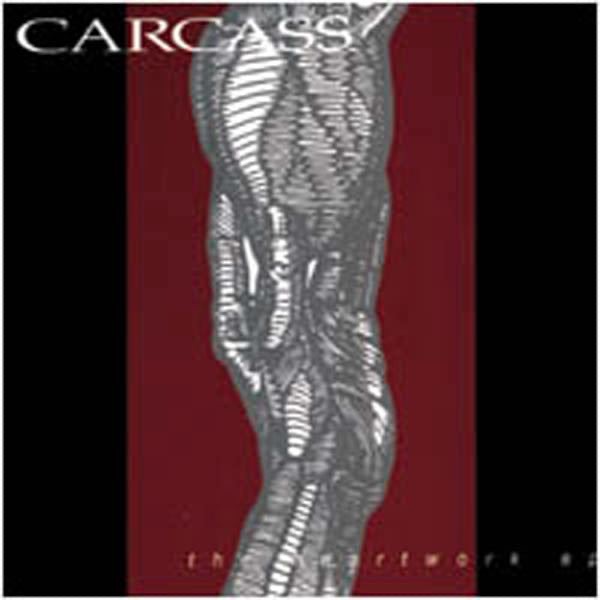
The sleeve, built around a sculpture by the Swiss artist H.R. Giger, extends visually this pursuit of a cold, organic, almost biomechanical beauty. The care lavished on the object as a whole testifies to an artistic ambition that reaches well beyond the mere frame of extreme metal.
A bridge to the future
Heartwork is often cited as one of the true birth certificates of melodic death metal as it would later be known. Michael Amott would go on to pursue that path with Arch Enemy, and the record’s influence can be read across a whole generation of Swedish bands such as In Flames and At the Gates, and far beyond.
Despite the enthusiastic critical reception, Carcass would not immediately meet the expected commercial success, and the band split a few years later before being reborn in the following century. This record nonetheless remains their indisputable artistic peak.
It is a perfectly balanced album, where technique, melody and brutality coexist without the slightest compromise. Its compositional maturity and clarity make it an absolute peak of the genre, a record that redefined what death metal could be and that fully earns its status as an unavoidable reference for generations of musicians. Few albums have reconciled sophistication and impact with such rightness, and that is precisely what explains its still intact status as a reference several decades after its release. It keeps opening the doors of the genre to new listeners.