Hearing Ozzy Osbourne’s voice settle once again over a riff crafted by Tony Iommi was enough to give any heavy metal fan chills before even pressing play on 13. After an incredibly long absence from the studio with the original lineup, and sessions that began in the early 2000s with Rick Rubin at the helm, the album arrives loaded with enormous expectations. It honors them in large part, not by seeking to innovate, but by diving straight back into Birmingham’s sonic matrix: heavy riffs, oppressive atmosphere, and that underlying sense of menace that made the band’s reputation from their very first records.
The serpent returns
From the opening with « End of the Beginning, » you find what made Sabbath strong from the start: a riff that crawls slowly, almost hypnotically, before shifting into something more massive. Osbourne’s voice, marked by time but still unmistakable, floats above the rhythm section as if it had never left that place. Geezer Butler brings a supple and menacing bass, and Iommi dispenses his riffs with the patience of a builder, never trying to impress through speed. This is an album of weight, not nervousness.
Zeitgeist and the shadows of the past
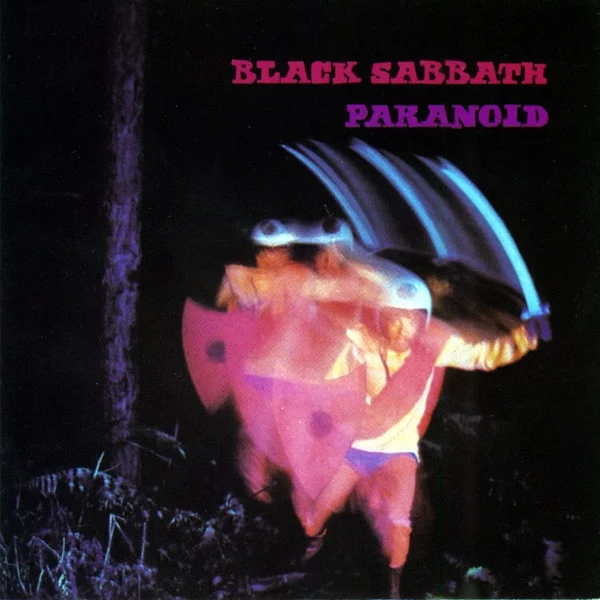
The track « Zeitgeist » surprises with its more subdued, almost psychedelic approach, which points directly back to the atmosphere of « Planet Caravan » on Paranoid. It’s one of the album’s most successful moments, as it shows the band doesn’t just churn out heavy riffs: it also knows how to create a more insidious, more atmospheric unease. By contrast, tracks like « God Is Dead? » or « Dear Father » play the card of frontward heaviness, with structures that stretch out, well-executed tempo breaks, and a sense of suspense that hasn’t aged a day. Rick Rubin’s production, stripped down and free from excessive digital artifice, lets each instrument breathe and avoids the pitfall of a sound too polished that would have betrayed the band’s essence.
The limits of the return
While the whole impresses with its consistency, 13 doesn’t escape certain lengths. Several tracks exceed six minutes without always justifying that duration, and you sometimes sense the band falling back on formulas already explored with greater inspiration in the past. Osbourne’s voice, while remaining expressive, sometimes lacks the raw power that made eardrums shake on the records of the 1970s. This is not an album that reinvents anything, and it would be dishonest to claim otherwise: it’s above all a successful stylistic exercise, but an exercise nonetheless.
Still, 13 works as an honest album, one that never betrays the band’s legacy nor tries to modernize it artificially. You find the essentials there: riffs that carry weight, an atmosphere that weighs even more, and that strange sensation of hearing veterans recapture, for the duration of an album, the alchemy that made them historical. It’s not the album that surpasses the foundational classics, but it’s far more than a simple nostalgic gesture: a final chapter that’s dignified, heavy, and sincere.