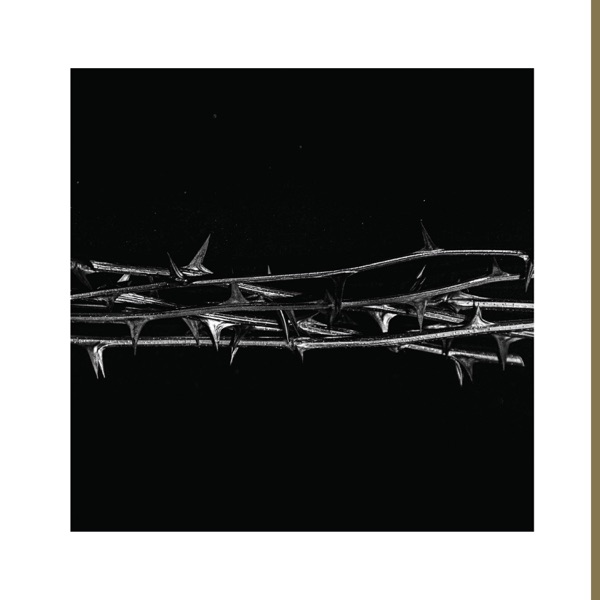
Amenra are not a mere band: they are an experience, almost a liturgy. Since the late 1990s, the Belgian collective — at the heart of a broader artistic movement christened the Church of Ra — have made their music a cathartic ritual devoted to pain, mourning and redemption. De Doorn, sung for the first time in Dutch, extends this quest and marks a stage in an already considerable body of work.
The critics (an 84 average across nine reviews) hail the record’s emotional power and solemnity. They praise the band’s implacable dynamic, that way of building cathedrals of tension before making them collapse in the din, and the contribution of Caro Tanghe’s female voice, which opens new spaces.
Musically, De Doorn is an exercise in patience and crescendo. The long tracks progress in stages: first the murmur and restraint, then the inexorable climb toward the explosion, those harrowing screams of Colin H. van Eeckhout that seem torn from the depths. Sludge and post-metal melt here into a black mass of rare intensity.
This aesthetic of ritual has its limits: it demands total surrender, and the listener resistant to slowness or repetition may find the record austere, even monotonous. Amenra do not seek to seduce; they impose an experience, to take or leave.
Verdict: 8.5/10. A grave, devastating record confirming Amenra as one of the most intense and singular bands of the European post-metal scene.