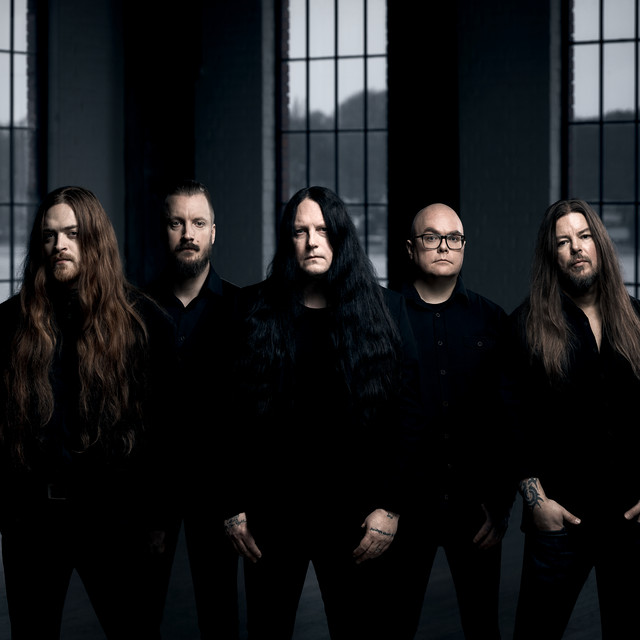
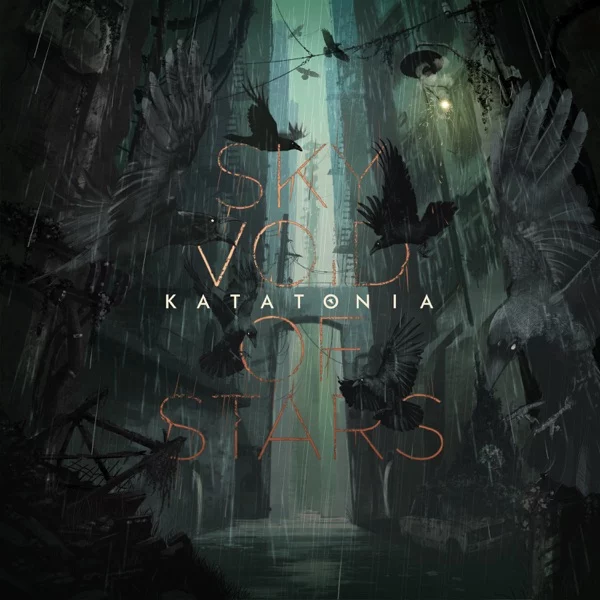
Katatonia has never been a band of abrupt ruptures. Since the Swedish formation left the death-doom of its beginnings for the electric melancholy that became its signature, each album progresses through shifts, through refinements, through successive adjustments. Nightmares as Extensions of the Waking State is no exception: it features that simultaneously resigned and inhabited vocal delivery, those guitars that weave rather than strike, that rhythm preferring contained tension to frontal discharge. The very title sums up the project quite well: an album that extends the waking state into a murky zone, between lucidity and gentle hallucination.
A sleep that never comes
What strikes immediately is the way the band establishes a muffled atmosphere without ever sinking into lethargy. The songs advance with an almost clinical patience, arpeggios that repeat and slightly deform with each passage, a voice that seems to float above the instrumental mass rather than direct it. One occasionally thinks of the atmospheres of Dead End Kings or The Fall of Hearts, but with more marked economy of means: fewer progressive ornaments, more space left for silence between riffs. This austerity serves the album’s tension, which never seeks the spectacular but distills a diffuse unease, almost organic.
Guitars that breathe rather than strike
The guitar sound remains identifiable among thousands: crystalline arpeggios superimposed over heavier riffs, never seeking thick saturation. The choruses, when they arrive, are not explosions but tightenings, as if the band deliberately held back the energy it could deploy. This restraint may frustrate those hoping for a sharper relaunching after previous albums, but it corresponds to a stylistic coherence assumed for a long time. The production, clear and airy, lets each sound layer breathe, from the discreet bass to the keyboard washes that underscore transitions without ever crushing them.
The voice as guiding thread
It is undoubtedly the vocals that most carry the identity of this album. Ever recognizable, they navigate between whisper and melodic impulse, never forcing dramatic effect. This vocal restraint accentuates the feeling of an album conceived as a whole, where songs answer each other more than they seek individual distinction. One sometimes regrets a lack of marked peaks, those moments that on previous albums came to punctuate the whole with more intense breathing. Here, homogeneity prevails, for better and for worse.
Ultimately, Nightmares as Extensions of the Waking State confirms that Katatonia remains faithful to its trajectory: a melancholic, precise metal that no longer seeks to surprise but to deepen territory already widely explored. Historical fans will find what they love, that elegant greyness and those melodies that settle without friction. Others may find the album a bit too restrained, lacking those flashes that once marked milestones like The Great Cold Distance. It is a solid, controlled album, but one that advances more as guardian of its own heritage than as explorer of new nights.