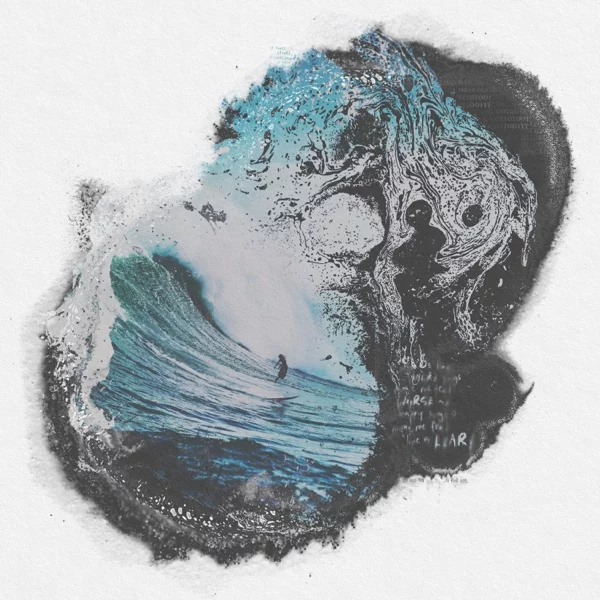
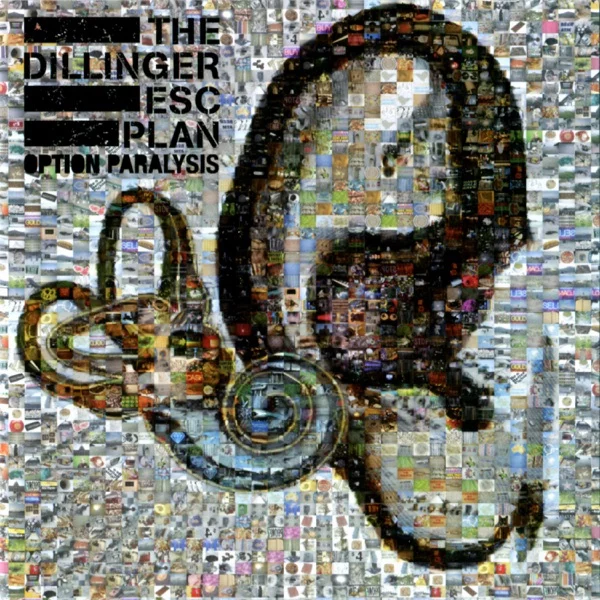
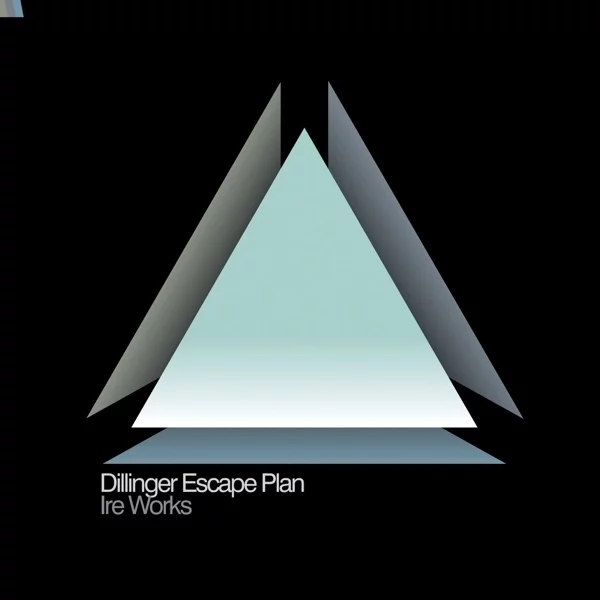
The fourth studio album from the New Jersey outfit, One of Us Is the Killer landed in 2013 as another statement from a band that has never been content to repeat itself. From the beginning, The Dillinger Escape Plan built a reputation as both a live force of nature and a sonic laboratory, able to fuse the most abrupt violence with almost surgical precision. This record extends that pursuit while tightening the writing, as if chaos had finally found a kind of order.
Controlled chaos
From the opening bars, the band’s signature leaps out: angular riffs, dizzying meter changes and drumming that seems to defy gravity. Yet what strikes most here is the clarity of the whole. The most abrasive tracks do not merely aim to flatten the listener, they build tension and release it with a remarkable sense of timing. The technique remains staggering, but it serves the song rather than the empty stunt.
The voice of Greg Puciato
Vocalist Greg Puciato embodies both faces of the band on his own. He shifts from raw screaming to clean singing with unsettling ease, and it is often in these melodic passages that the record gains depth. The title track captures this balance perfectly: carried by an almost gentle vocal line, it sets an oppressive mood before tipping into fury. That duality, far from weakening the message, lends it an emotional dimension rare in a genre often reduced to sheer brutality.
A difficult balance
The strength of Ben Weinman and his cohorts lies in their ability to move between extremes without ever losing the thread. The electronic incursions, atmospheric layers and calmer breathing spaces are not concessions but necessary pauses, which make the assaults that follow even more violent. You sense a band in full command of its craft, aware that rage matters only when it also knows how to fall silent.
In the end, One of Us Is the Killer confirms The Dillinger Escape Plan as an essential reference in mathcore. It may not be their most radical album, but it is surely one of their most accomplished, a record that demands attention and rewards each listen with new details. For anyone who wants to understand how disorder can become an art form, it stands as an ideal entry point, demanding and gratifying all at once.