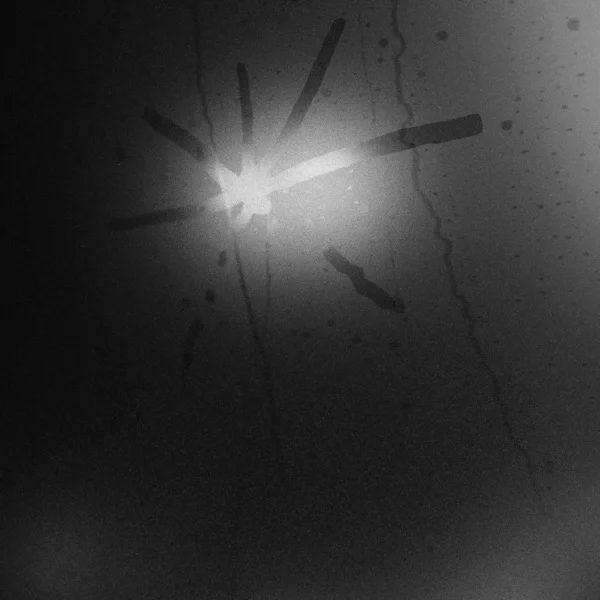
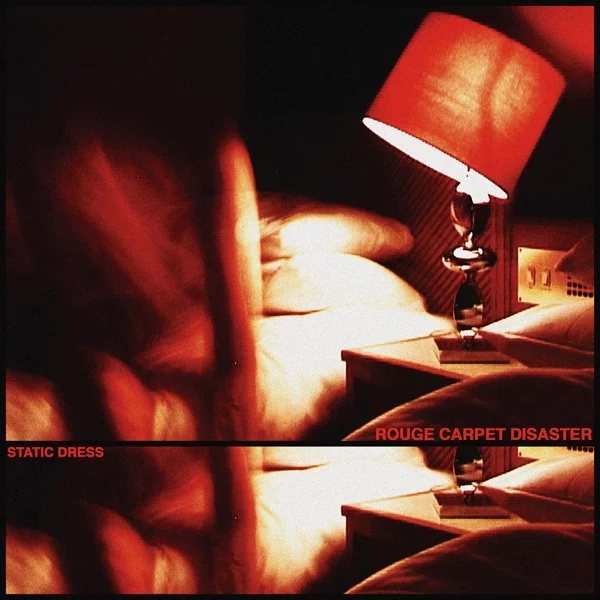
With Separation in 2011, Balance and Composure, a band from Doylestown, Pennsylvania, released a debut album that quickly became a reference point in the American post-hardcore and emo scene. The record fully embraces its grunge and alternative roots from the 1990s while injecting an energy and emotion specific to its generation. The result sounds both familiar and personal, like a bridge stretched between the legacy of the 90s and the new emo wave of the 2010s.
A legacy from the 90s
The dense, slightly earthy production highlights thick guitars and a solid rhythm section. Jon Simmons’s voice swings between measured singing and enraged shouts, giving the songs a marked emotional depth. You can feel the influence of bands like Brand New or Deftones, without it ever turning into mere imitation. The band handles the contrast between tense verses and exploding choruses well, a soft-loud dynamic that became a signature of the genre, but which it executes here with a conviction rare for a debut.
Tension and explosion
Tracks like I Tore You Apart in My Head perfectly illustrate this tension between softness and explosion, with controlled build-ups and choruses that lodge in the memory. The introspective and sometimes bitter lyrics deal with doubt, breakup and unease with a touching frankness. There is a channeled youthful rage in this record, a frustration that finds its outlet in volume and melody, and that speaks directly to anyone who has weathered the uncertainties of coming of age.
An uneven second half
The record does not escape a few dips in its second half, where some songs resemble one another and struggle to stand apart. This slight uniformity does not, however, undermine the overall power of the whole, carried by a constant conviction and a consistency of tone that holds the attention despite the repetitions.
Separation remains an important marker of the 2010s scene and a fine entry point into the band’s catalog. Sincere and powerful, it has lost none of its impact over time, and still ranks among the albums readily cited by fans of the emotional post-hardcore of that era.