Rise of the Northstar has never hidden its intentions: take the codes of hardcore, mix them with metal built for circle pits and sprinkle it all with references to 1990s japanimation. With Showdown, the Parisian group continues this line without deviating an inch, fully embracing its status as a shock troop dedicated to the « Northstar Gang » rather than seeking to surprise the world. You generally know what to expect from the first measures, and that’s precisely what can both seduce and bore depending on the mood of the day.
The pit above all
Musically, the record operates on a simple principle: sturdy metalcore riffs, breakdowns calibrated for stagedives, and on top, vocals that alternate between hardcore screams and more hip-hop phrasing. This last component remains the group’s most recognizable signature, what distinguishes it from the rest of the French hardcore scene. The choruses are designed as rallying cries, short, repetitive, easily sung along to. You can feel that each track was built thinking first of the stage, of live impact, before even considering compositional richness.
Imagery that holds up
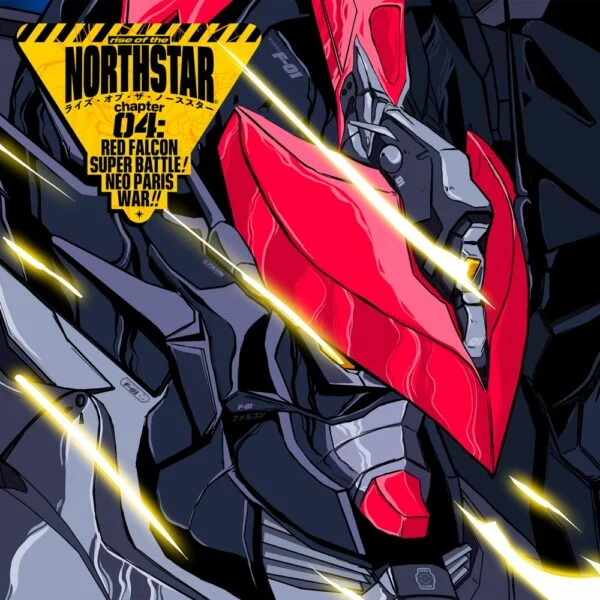
The group’s visual and thematic identity, this obsession with manga aesthetics, stylized street fights and organized gang codes anime-style, continues to structure everything. It’s not just a marketing argument: it really infuses the songwriting, giving the tracks an almost cinematic tension, like confrontation scenes cut into short shots. The growls and chanted vocals function like combat dialogue, and certain instrumental passages almost mimic dramatic buildups from action films. It’s coherent, well thought out, and it prevents the record from seeming gratuitous despite the music’s frontal violence.
The downside of repetition
The problem is that this recipe, however effective it may be on stage, shows its limits on repeated listening in album format. The tracks follow each other without always differentiating themselves, the structures remain predictable (tense verse, unifying chorus, obligatory breakdown), and the whole thing ends up looping in on itself. You would have liked an additional risk taken, a breath that changes the sonic texture, a track that clearly stands out from the rest rather than a succession of pieces all tailored for the same use. The production, clean and powerful, doesn’t entirely compensate for this lack of surprise: it serves immediate effectiveness but also smooths out the rough edges that could have made certain songs more striking.
Showdown remains an honest record in its approach: it doesn’t lie about what it offers and does it with an infectious energy that will naturally find its place in the festivals and venues where the group excels. But as an object to listen to from start to finish at home, it struggles to reinvent itself enough to leave a lasting mark beyond the circle already won over by the Northstar Gang cause. A record that works, without transcending what the group had already established before.