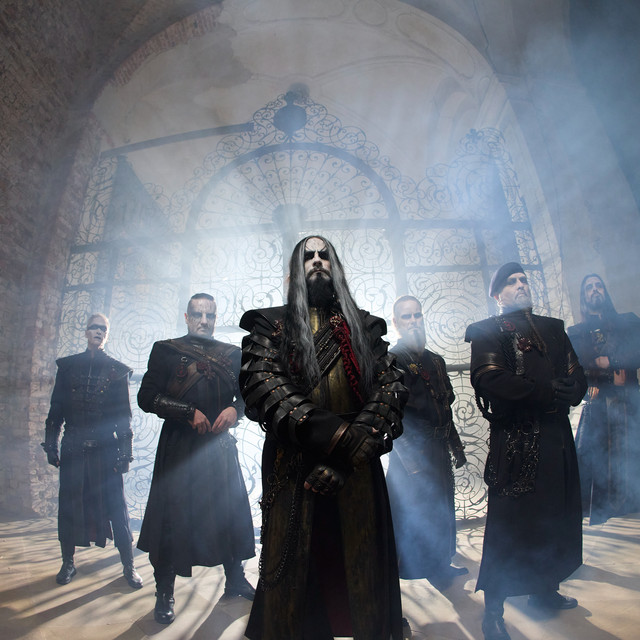
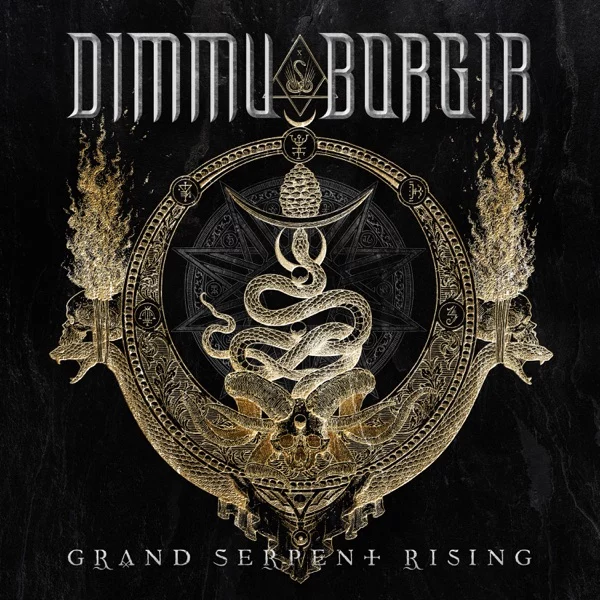
With Abrahadabra, Dimmu Borgir pushes even further the logic that built their reputation since Enthrone Darkness Triumphant: transforming black metal into total spectacle, where guitars become discreet behind an army of keyboards, choirs and arrangements conceived like a gothic horror film soundtrack. The album fully embraces this excess, even if it sometimes drowns out what made the original urgency of the genre under layers of orchestration that seem designed to impress before they bite.
Gateways, the door wide open
The opening track sets the tone: a grandiose intro, blast beats that arrive almost as a formality, and above all the appearance of vocalist Agnete Kjølsrud, whose clear voice cuts through the usual growls. The effect is spectacular on paper, almost too much when you listen: you feel the band searching for an anthem rather than dread, and the track functions more as a festival piece tailored for big screens than as a moment of real darkness. It’s effective, but it sometimes sounds closer to a Hollywood production than a black metal album.
Born Treacherous, the bite that remains
Fortunately, some tracks remind us that the band can still bite when it wants to. Born Treacherous has that riff that hits, that rhythm that moves without unnecessary flourishes during its first measures, before synthetic brass and choirs take over. It’s in these moments of tension between the initial rage and symphonic wrapping that the album finds its best balance, whereas elsewhere the battle between the two sometimes seems already lost in favor of pomp.
Abrahadabra, the incantation that folds back on itself
The title track, which closes the album, sums up the whole problem well: it’s grandiose, laden with distant voices, endless orchestral pads, but you sometimes search in vain for the moment when the music stops watching itself play and simply strikes. The production, very polished, gives each element surgical clarity, which has the advantage of highlighting the orchestration work but the disadvantage of smoothing out the rough edges that charmed the band’s older albums. We’re far from the original rawness of the genre, and it’s a choice Dimmu Borgir embraced long ago, but here it perhaps reaches its saturation point.
Abrahadabra isn’t a bad album, far from it: there’s craftsmanship, arrangement ideas that hold up, and some tracks that remind you why the band won over an audience well beyond the usual black metal circle. But by constantly striving to be bigger, more orchestral, more cinematic, the album ends up losing some of what made the band’s best records truly alive. It’s an album that impresses at times, that tires at others, and that mostly leaves the impression of a band at the peak of their technique but not necessarily their inspiration.