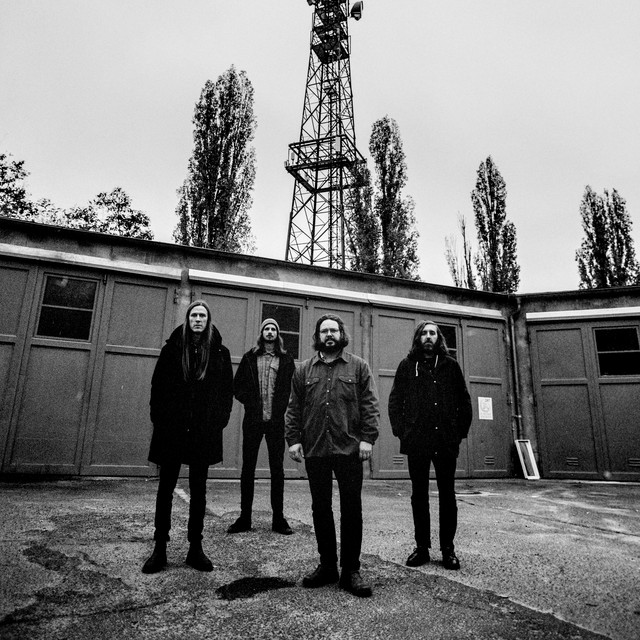
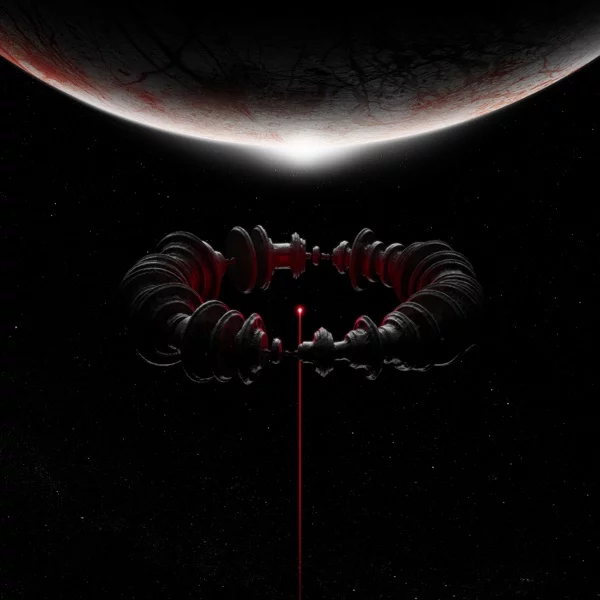
With Omens, Elder closes a trajectory begun on Reflections of a Floating World and pushes even further away from their original doom roots. The thick riffs that built the Massachusetts group’s reputation haven’t disappeared, but they now float in an ocean of keyboards, krautrock textures, and layered constructions that demand patient listening. This is an album that must be earned, one that refuses immediate gratification in favor of a journey built over time.
Tracks that breathe
Each song here far exceeds the classical song format, and it’s precisely in this expansiveness that the group finds its strength. Structures unfold slowly, riffs return transformed after instrumental detours, keyboards draw pads that recall both the progressive rock of the seventies and more contemporary heavy psych experimentation. The singer’s guitar remains the guiding thread, sometimes saturated and heavy, sometimes crystalline and almost airy, according to what each piece demands.
A production that prioritizes space
The sound of Omens strikes with its clarity: each instrument breathes, the bass dialogues with the drums without ever disappearing behind the guitars, and the keyboards occupy generous space without weighing down the whole. You sense a group that has matured in its recording approach, seeking less raw impact than the coherence of a unified whole. This approach demands real investment from the listener: songs don’t reveal themselves in one listen, they unfold progressively, revealing additional details with each play.
Between light and weight
What stands out most is the balance the group manages to maintain between luminous melancholy and moments of real heaviness. Transitions between quiet parts and denser passages are never abrupt, they flow with a fluidity that testifies to mature songwriting. You sometimes think of certain progressive evolutions from past decades, but Elder carefully avoids pastiche: the group’s musicality remains anchored in something personal, nourished by their own history in the stoner and doom scene rather than by calculated nostalgia.
Omens confirms that Elder abandoned the lands of heavy riffs long ago to inhabit a vaster, more ambitious territory, where each track functions as its own complete piece within a coherent whole. This isn’t an album for those seeking immediacy or visceral impact: it’s a work conceived for attentive listening, for those willing to let themselves be carried along over time. The group proves once again that it belongs to that rare category of artists capable of reinventing themselves without losing their identity. One small reservation remains: by prioritizing breadth and contemplation, certain passages lose in tension what they gain in texture, and the album sometimes demands an attention span that not all listeners will be prepared to give. But for those who accept the rules of engagement, Omens offers a rich, dense, and deeply inhabited experience that places Elder among the most inventive groups in their current scene.