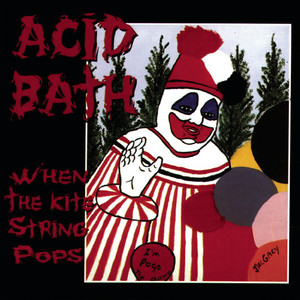
Acid Bath’s first album, When the Kite String Pops, released on Rotten Records in 1994, is one of the most disorienting records of the Louisiana sludge scene. The band fuses sludge, doom, death metal and acoustic ballads into a whole that is at once violent and strangely melodic. That range, carried by Dax Riggs’ voice, has made it a cult object.
A genre blend with no equivalent
The record refuses any simple category. Passages of extreme heaviness sit beside almost bluesy moments, while acoustic ballads surface in the middle of the chaos. That unpredictability disorients as much as it captivates.
Dax Riggs’ voice embodies that duality. Capable of raw screams as well as clear, near crooning lines, he gives the band an instantly recognizable and deeply human identity.
The darkness of the American South
The lyrics plunge into violence, drugs, madness and death with a bluntness that shrinks from nothing. That dark imagery, rooted in the humid Louisiana setting, gives the record an unwholesome, fascinating atmosphere.
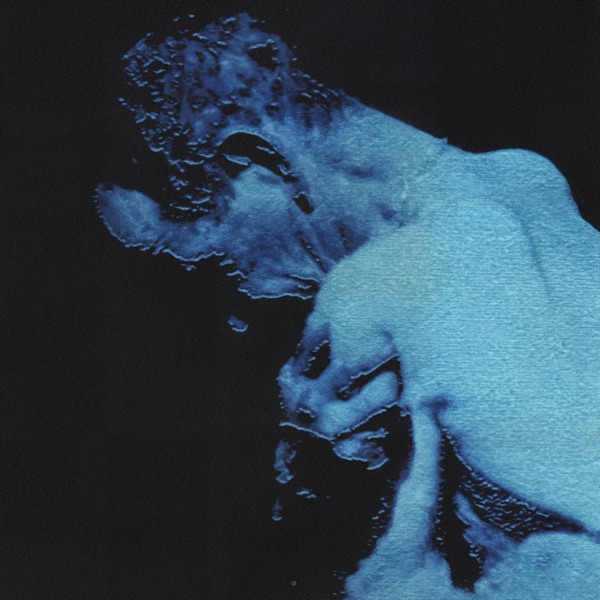
The cover, which uses a painting made by a convicted serial killer, extends that climate of unease. It fed the band’s sulfurous reputation and illustrates its taste for head on provocation.
An underground cult
When the Kite String Pops never found wide commercial success, but its influence on sludge and extreme metal is considerable. Its formal freedom and refusal of convention made it a reference point for a whole scene.
The band, which broke up prematurely a few years later, left only two albums, which sharpens the mythic aura of this first effort. Each listen reveals new details in its dense arrangements.
Three decades after its release, the record keeps a raw force entirely intact. Neither fully sludge nor fully doom, it defies labels and rewards the curious listener. For anyone wanting to explore the most creative fringes of nineties metal, it remains a mandatory stop, disturbing and unforgettable.