Released in 1981, Punks Not Dead is The Exploited’s debut album and one of the most famous rallying cries in British punk. As the first punk wave ran out of breath, the press was already declaring it dead and unemployment hit a disillusioned youth, the Edinburgh band led by singer Wattie Buchan answered with a brutal, furious, provocative record. The title itself is a manifesto: punk is not dead, it is hardening, radicalizing and heading back to the streets.
The sound of UK82
Musically, the album embodies that second wave later known as UK82, alongside bands like GBH and Discharge: slashing guitars, sped up tempos, choruses chanted like slogans. Tracks such as « Punks Not Dead », « Army Life » and « Cop Cars » go straight for the throat, with no nuance and no frills, carrying an aggression that already points toward the hardcore to come.
The production stays raw and direct, almost documentary, which sharpens the sense of urgency. Here the roughness is part of the charm: this is music by angry kids, played for other angry kids, without the slightest calculation.
Anger as agenda
Wattie’s lyrics bother with no subtlety. They rail against the army, the police, boredom and social contempt with head on venom and an occasionally sneering humor. The provocation is deliberate, at times cartoonish, but it voices the very real frustration of a working class youth with no prospects.
More than a worked out argument, it is a stance, a gut level refusal of authority and conformity, held up like a banner. You can debate its depth, but not the conviction that drives it.
An anthem turned symbol
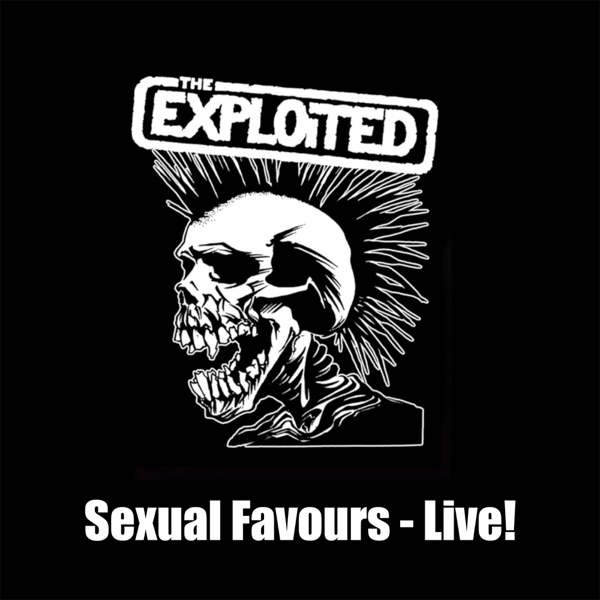
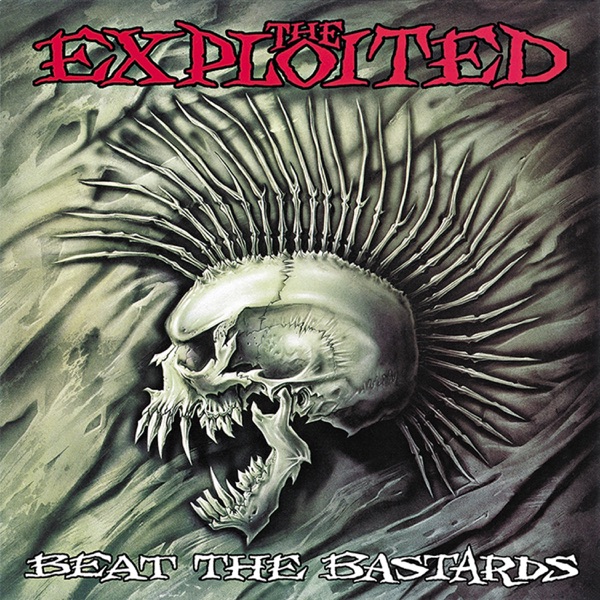
With this record, The Exploited imposed an imagery and a slogan that would reach far beyond the music itself. The colored mohawk, the raised fist and the phrase « Punks Not Dead » became emblems of a whole culture, copied onto countless jackets, sleeves and walls around the world.
The album also marks punk’s hardening toward more extreme forms and would weigh lastingly on the growth of street punk, Oi and hardcore in the years that followed, far beyond British borders.
Heard today, Punks Not Dead keeps its primal charge and its insolence intact. You can fault its simplicity or its heavy handed provocation, but you cannot deny its sincerity, its coherence or its historical impact. It is an essential document for understanding how punk survived its supposed demise and reinvented itself in fury.