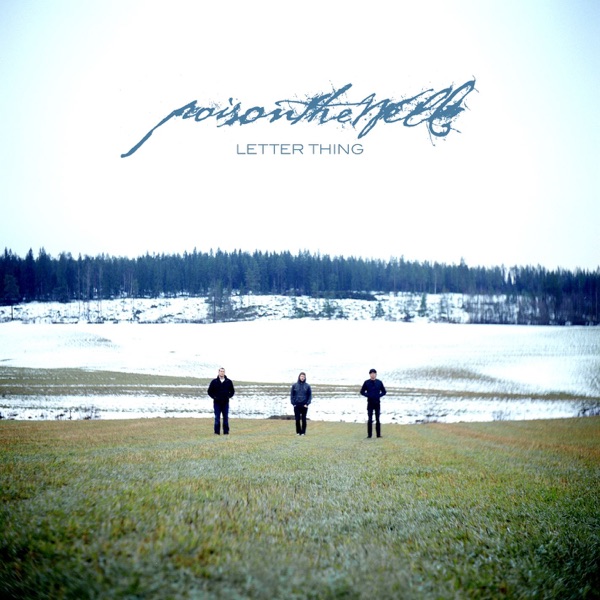
There’s something strange about listening to Poison The Well in 2009, as if the band is returning from another era to witness the damage it inflicted itself. The Tropic Rot arrives in a metalcore landscape saturated with melodic clones, and paradoxically, the Florida group chooses to tighten its approach rather than expand it. Produced by Steve Evetts after the forced withdrawal of the originally intended producer, the album bears the marks of nervous, dry production that prioritizes immediate impact over the atmospheric scope one might have expected from them.
Rediscovered Urgency
What strikes immediately is the execution speed. The tracks don’t linger, riffs crack without dwelling on long melodic buildups, and the vocals alternate between raw shrieks and clean singing with a restraint that contrasts with some of the band’s more experimental records. There’s a desire to return to something more direct, almost hardcore in its approach, where rhythm takes precedence over ornamentation. The drums hit hard, the riffs are carved without unnecessary flourishes, and the whole thing radiates palpable tension, as if the band is searching for an urgency it may have lost along the way on previous records.
The Evetts Touch
The producer’s fingerprint is felt in the guitar tone, grainier and less polished than some of the band’s earlier efforts. This rough texture fits well with the album’s overall atmosphere, which avoids overly emotional indulgences in favor of a kind of restrained brutality. Melodic passages still exist, it’s been a hallmark of the band since its inception, but they’re dispensed sparingly, almost like breaths before plunging back into aggression. This alternation works well on certain tracks, where tension builds crescendo before exploding, but it sometimes struggles to surprise over the complete listening experience, the album lacking moments that linger in memory.
Between Legacy and Repetition
The problem with The Tropic Rot is that it arrives after a genre-defining record that established foundations everyone has copied since. It’s difficult then for the band itself not to sometimes seem self-referential, or worse, to cite its own followers. Certain riffs recall formulas heard elsewhere, without knowing if the band still influences the scene or if the scene has ended up influencing its creators in return. This ambiguity gives the album a strange flavor, neither completely innovative nor frankly nostalgic, rather caught between two worlds, searching for its place in a genre it largely helped shape.
Ultimately, The Tropic Rot remains a solid album, technically competent, driven by raw energy that feels good after certain more experimental genre excesses. But it lacks that spark that would make it a landmark record in the band’s discography, that ability to surprise that built its reputation. There are good tracks here, effective production, a band that perfectly masters its craft, but also a diffuse sense of a missed appointment with something greater. An honest album for genre veterans who will appreciate the rigor of execution without necessarily finding revelation in it.