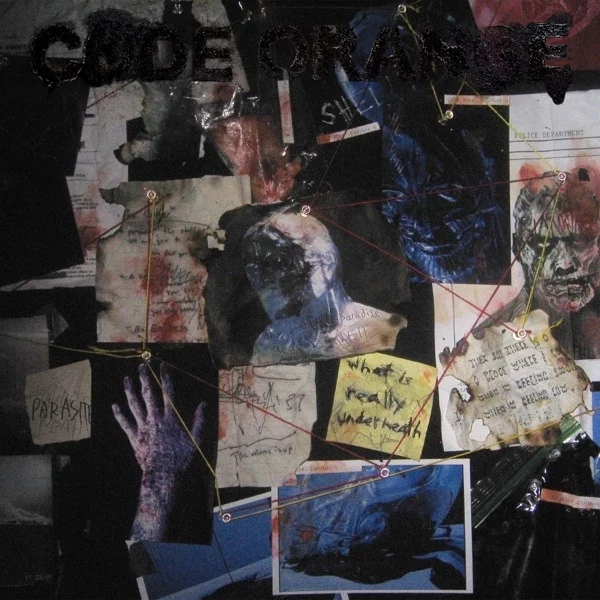
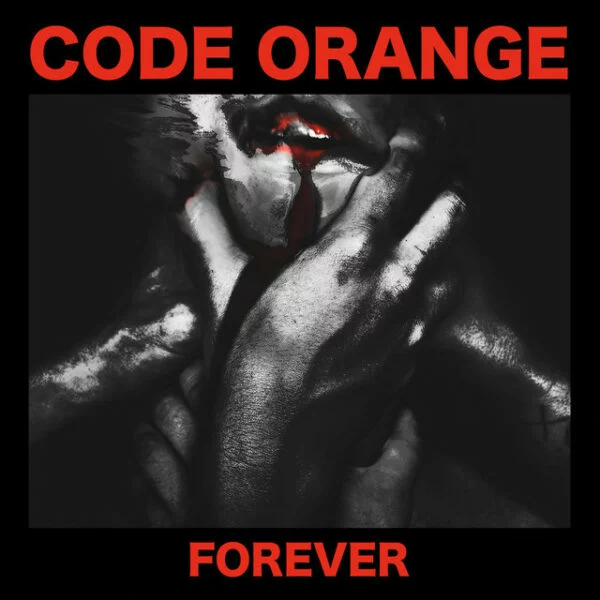
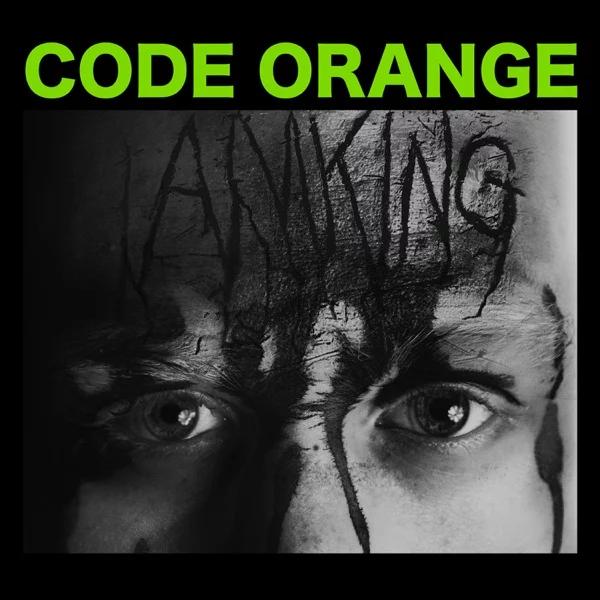
Released the same year as The Above, What is Really Underneath? is neither a simple bonus disc nor a rehash: it’s the flip side, the shadow of a record already turned toward the light. Code Orange has always liked false bottoms, parallel versions, distorted mirrors, and this record pushes that logic to its limit by putting the source material through a grinder of noise, glitch and the harshest industrial textures. The result is disorienting at first, then genuinely fascinating.
The electric skeleton
What strikes immediately is how song structures dissolve into pure texture. Guitars lose their rhythmic function and become saturation layers, badly insulated cables sparking continuously. The vocals, often processed, screamed, twisted by effects, no longer carry melody but blend into the sonic magma like just another instrument. This is far from the band’s early frontal hardcore: violence here is diffuse, almost cerebral, delivered in small doses of dissonance rather than hammered riffs.
A machine grinding on purpose
The heavily worked production thrives on abrupt breaks, digital silences, loops repeated to the point of discomfort before snapping abruptly. You can feel the band enjoying the sabotage of its own songs, derailing them to reveal what lies underneath, perfectly in line with the title. This conceptual approach demands attention: this is clearly not background music, it requires careful, almost analytical listening to grasp its layers.
The assumed reverse side
The risk of such an exercise is falling into cold technical demonstration, style over feeling. Code Orange largely avoids that trap thanks to a constant tension, a sense of urgency piercing through the abstraction. There’s something visceral in this calculated coldness, as if the band wanted to show that beneath the most polished surface lies organic chaos. Some passages feel closer to a sound installation than a classic hardcore record, and that’s exactly what makes the object compelling: it refuses the ease of repetition.
What is Really Underneath? doesn’t replace The Above, it completes and illuminates it, exposing the inner workings of a band that never stops deconstructing its own codes. It’s a demanding, sometimes thankless record, but it confirms Code Orange as one of the few bands in its scene still willing to push genre boundaries rather than simply maintain them.