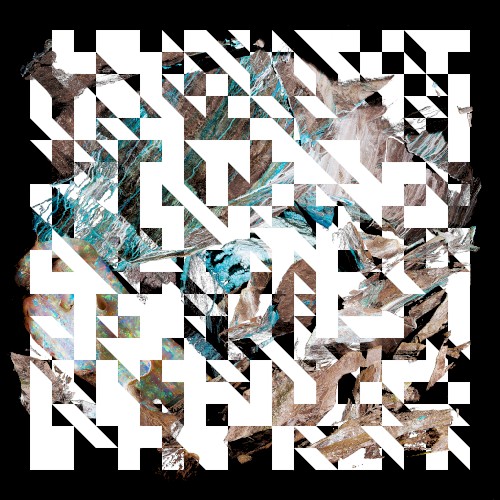
Released in 1999, Calculating Infinity, the debut album from the New Jersey band, redefined what extreme metal could attempt. The Dillinger Escape Plan pushes mathcore toward summits of complexity, stacking asymmetrical measures and tempo changes with an almost frightening precision. It is a record that demands total attention from the listener, refusing any form of rest, like a sonic labyrinth whose every corridor opens onto a new trap and whose exit reveals itself only at the cost of many patient, focused listens over time.
Virtuosity in the service of chaos
The technique on display here is astonishing, yet it never serves gratuitous showing off. The musicians, around guitarist Ben Weinman, turn dissonance into language, weaving riffs that seem to defy logic while holding an internal coherence. The drumming, surgically precise, articulates impossible rhythms with disconcerting ease. Dimitri Minakakis’s dry, screamed vocals add a layer of raw urgency to this dizzying edifice, like a human voice struggling to stay upright in the middle of a perfectly controlled mechanical storm that never once lets go.
Jazz as a hidden compass
Beneath the apparent violence a jazz influence surfaces, felt in the dissonances and the sudden breathing spaces. The band handles seeming improvisation and millimetric structure with rare ease, blurring the line between calculation and instinct. That permanent tension between order and chaos forms the heart of the record: nothing is left to chance, and yet everything seems about to collapse. That is where its genius lies, in this impossible balance between the most absolute rigor and the constant sensation of an imminent detonation waiting to be unleashed.
A lasting influence
The production serves that intent admirably, offering a clarity that lets you follow each line through the apparent tangle, without ever losing the overall impact. That legibility was essential: without it, the album would have sunk into mush. Calculating Infinity opened doors that countless bands would later walk through, making The Dillinger Escape Plan an inescapable reference in mathcore. Its formal daring redefined the limits of the genre, proving that aggression and intelligence could coexist without the slightest compromise.
Decades later, the record keeps its destabilizing force intact. It has lost none of its capacity to disorient, to provoke, to fascinate. This is not an easy listen, nor does it try to be: it is a demanding experience, rewarding the patient listener with an intensity rarely matched. Few debut albums have had such an impact on an entire scene. For anyone who wants to understand how far metal can go in complexity, this album remains an absolutely unavoidable peak. Few records have demanded so much of their listener while giving back just as much in return, and it is that paradoxical generosity which explains its longevity.