Released in 2006, The Things We Carry is Have Heart’s first album, and it was enough to place the Massachusetts band at the heart of the straight edge hardcore revival. At a time when youth crew seemed to freeze into nostalgia, this group gave it a sincere new breath, an urgency that speaks to bodies as much as to minds. The record moves fast, straight, never shedding a kind of contagious fervor. The band draws on the legacy of the most positive hardcore while refusing naivety, seeking instead a kind of luminous gravity.
The youth crew revival
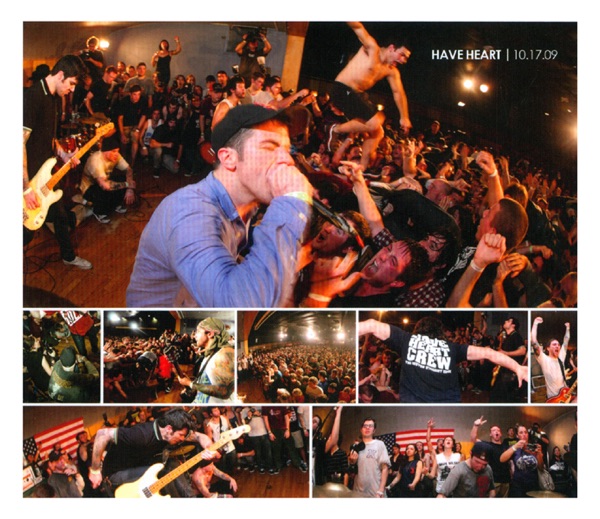
Musically, we are on familiar ground: fast tempos, faithful breakdowns, gang vocals that call for collective singing. But Have Heart avoids mere stylistic exercise thanks to an intensity that never flags. The vocals, taut and nearly at breaking point, carry lyrics about friendship, grief, doubt, and the will to stay standing despite it all. There is a raw emotion here that goes well beyond the frame of the genre. What could be a mere exercise in nostalgia becomes, in their hands, a living declaration, anchored in the present of those who hear it.
An urgency that gathers
The album title sums up its subject well: the weight of losses, memories, and responsibilities one drags along. The band turns that burden into collective energy, into a promise of solidarity. That may be its greatest achievement: to make an intimate substance into a shared cry, a moment when the whole room seems to breathe together. Few records of the era manage that so naturally. The singer embodies that material with such conviction that his words seem less sung than thrown into the face of the world.
A modern classic
One could object that the record stays faithful to the codes without ever trying to surpass them, that its short length sometimes leaves you wanting more. But that concision is also its strength: nothing drags, everything goes to the essential. Have Heart does not try to impress, it tries to connect, and it succeeds with a sincerity that marked a whole generation of listeners. The record moves like a conversation between friends, at times furious, at times fraternal, always inhabited by a sincere need to say things.
From its release, The Things We Carry established itself as a landmark, a record still cited as one of the peaks of 2000s hardcore. Its influence is measured by the fervor it continues to inspire, far beyond the band’s career. It is a modern classic, one of those that remind us why hardcore remains a matter of heart as much as of rage. It is that generosity, that refusal of cynicism, that explains why the record keeps gathering people far beyond its scene of origin.